
3. Beans
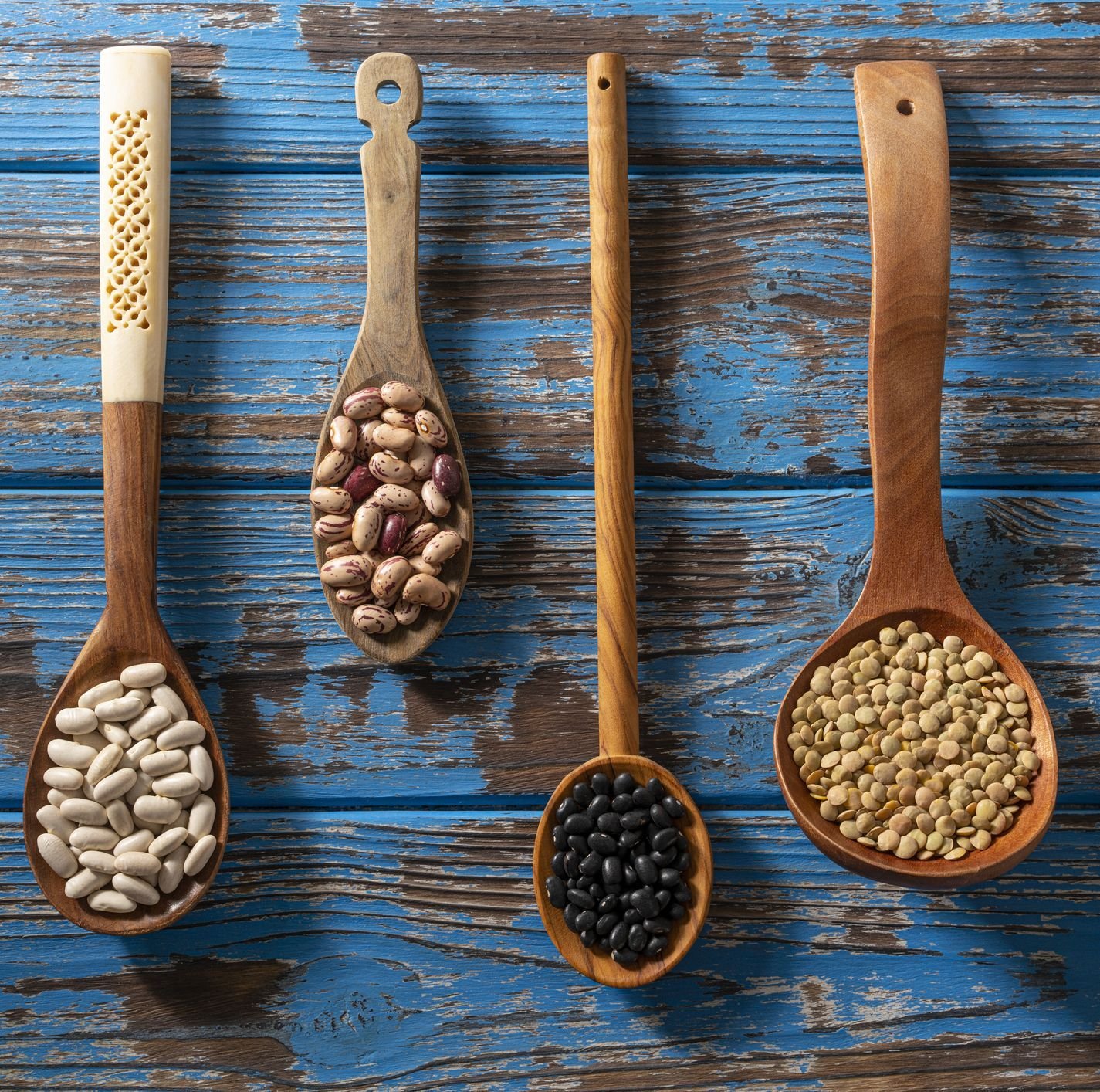
Increasing the amount of fiber in your diet is one of the best ways to manage cholesterol, so eat your beans! Why? Beans contain soluble fiber, which is linked with improved heart health. Chickpeas are a superstar: Just 1/3 cup contains about 12 grams of fiber — half your daily value. What’s more, these hearty beans are packed with antioxidants and associated with lower LDLs.
Black beans are also fiber-dense, with 8 grams in a half-cup, 100-calorie serving. You’ll get plenty of filling plant-based protein too.
Pulses such as lentils are everywhere these days because they’re packed with plant-based protein and fiber, not to mention antioxidants, minerals, and B vitamins. All of those compounds help protect you from plaque buildup while optimizing blood flow and assisting your body in efficiently using the nutrients you consume.
4. Green Leafy Vegetables
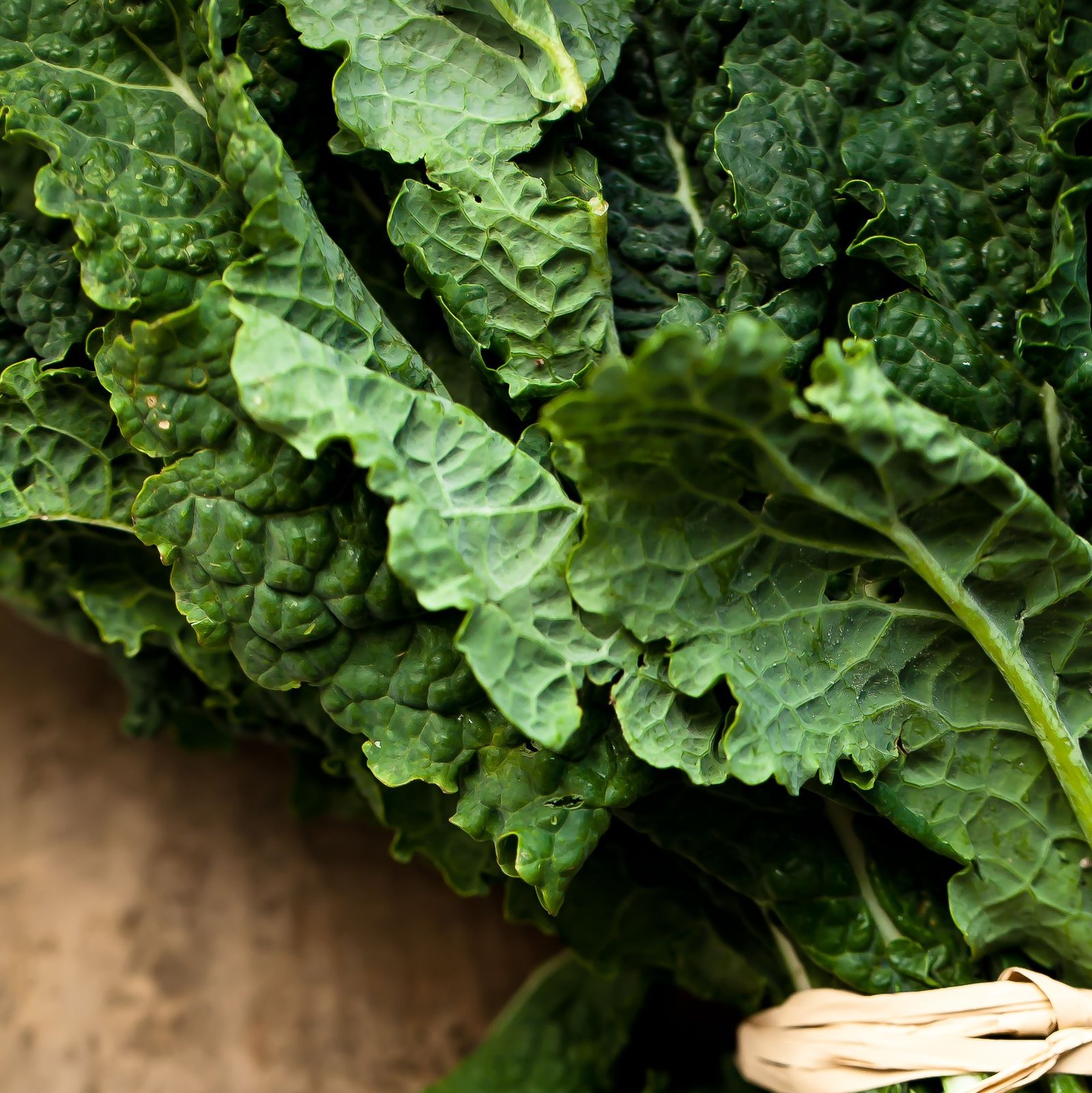
Adding more leafy greens to your plate can help lower cholesterol by promoting your body production of nitric oxide (NO), which helps dilate blood vessels and reduce atherosclerosis.
Kale hits the heart-healthy jackpot because it’s rich in potassium, magnesium, antioxidants and fiber. Additionally, the minerals in cruciferous vegetables (including cabbage and Brussels sprouts) can work to counterbalance the effects of sodium, warding off hypertension.